Most organizations today have recycling and waste reduction programs in place. But there’s a common challenge: getting employees to actually participate.
Bins, signage, and policies are essential foundations for successful diversion programs. But achieving strong diversion rates also depends on everyday human behavior, making engagement a critical part of the equation.
Here are five proven strategies that can help turn intent into action and significantly improve your diversion results.
1. Design for Convenience and Clarity
If your system isn’t easy to use, people won’t use it correctly; simple as that.
Employees are busy and often distracted when disposing of waste. That’s why your setup needs to remove decision-making as much as possible.
Focus on:
- Centralized waste stations in accessible locations
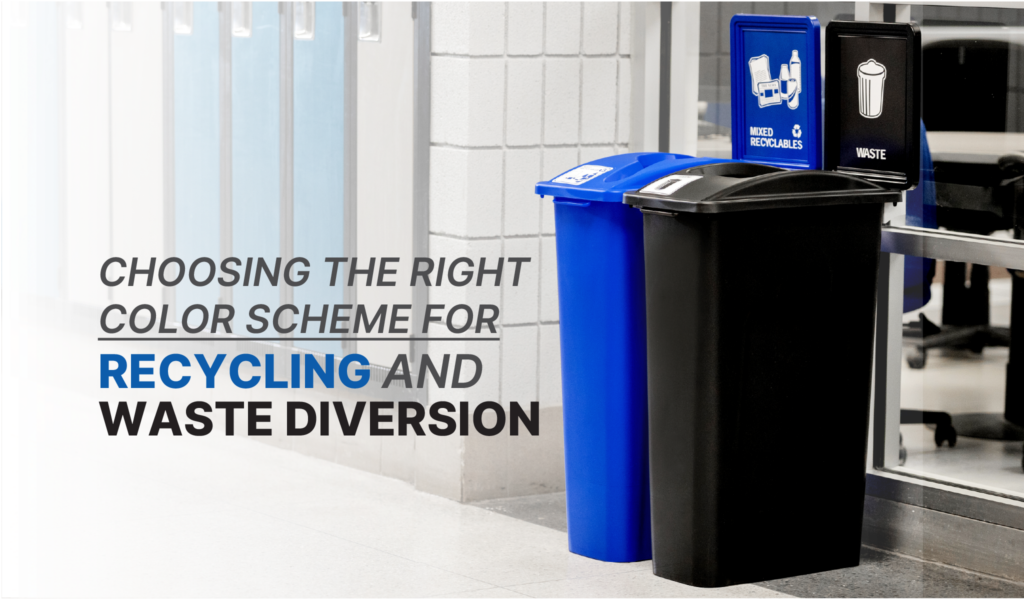
- Clear, consistent color coding
- Identical bin layouts across your facility
- Simple, highly visible signage
When the correct choice is also the easiest choice, participation improves almost automatically.
2. Set Expectations Early (and Often)
Engagement starts on day one.
Employees need to understand how your waste program works and what’s expected of them from the start. A quick onboarding overview, even just a few minutes, can make a big difference.
But it doesn’t stop there.
Reinforce those habits with:
- Team meeting reminders
- Internal newsletters
- Visual prompts near bins
- Quick refreshers throughout the year
Repetition builds routine, and routine drives better sorting behavior.
3. Make It Engaging, Not Just Informational
Let’s face it, waste sorting isn’t exciting for most people. But engagement increases when you make it interactive and visible.
Some effective ideas include:
- Friendly competitions between departments
- Recognition programs like “Recycler of the Month.”
- Interactive events (e.g., Zero Waste Week)
- Simple gamification, like quizzes or sorting challenges
These efforts raise awareness and build a sense of shared responsibility. Even small incentives or recognition can significantly boost participation.
4. Communicate the “Why.”
People are more likely to engage when they understand the impact of their actions.
Instead of only telling employees what to do, explain why it matters.
That might include:
- Environmental impact
- Reduced costs or waste hauling fees
- Company sustainability goals
- Local regulations or compliance requirements
When employees see how their actions connect to something meaningful, engagement becomes more personal and more consistent.
5. Use Data to Guide and Improve
You can’t improve what you don’t measure.
Tracking contamination rates, auditing waste streams, and identifying problem materials helps you understand where your system is breaking down.
From there, you can:
- Target specific problem items with focused messaging
- Adjust bin placement or signage
- Share progress with employees
Transparency matters. When people see results, whether it’s improvement or areas to fix, they’re more likely to stay engaged and accountable.
Turning Strategy into Results
Improving diversion rates isn’t just about infrastructure; it’s about behavior.
The most successful programs make waste reduction:
- Easy
- Visible
- Consistent
- Relevant to employees
Start small, stay consistent, and build momentum over time. Because when employees are engaged, better outcomes follow naturally.
Resources
Busch Systems – Employee Engagement Resource Guide
0waste – Zero Waste Strategies