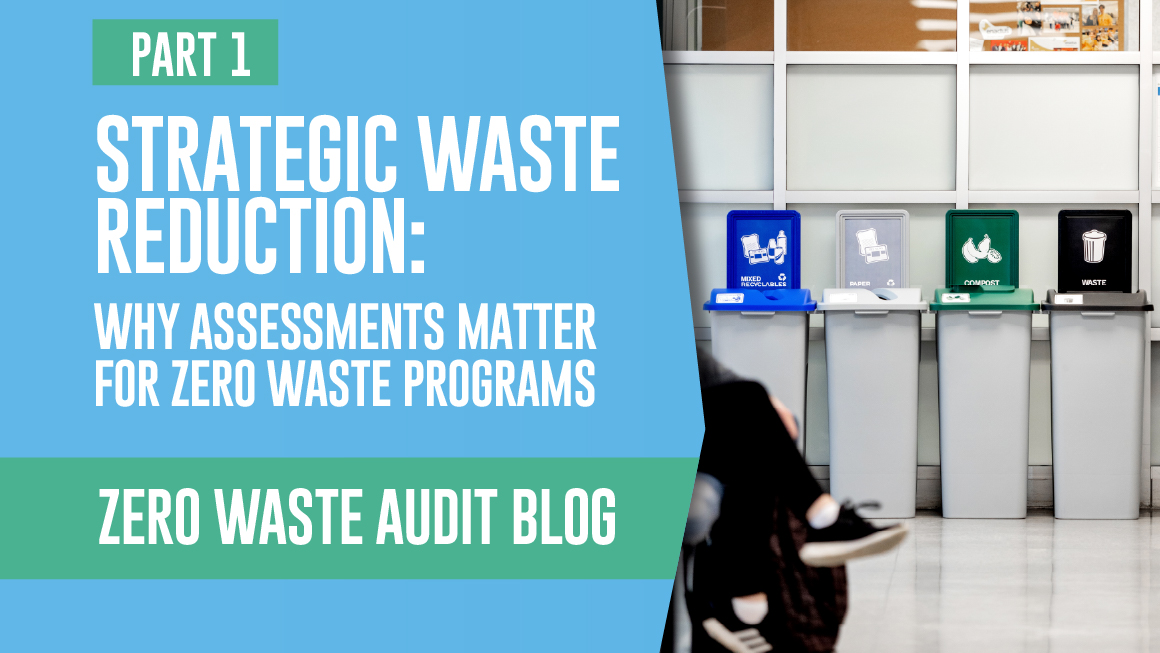
Achieving high diversion rates requires more than expanding bin access or accepted materials. Programs that exceed 50% diversion depend on intentional planning, investments in programs and infrastructure, and continuous performance monitoring. Without a structured approach, most waste programs evolve reactively, resulting in gaps, inefficiencies, and plateaus in diversion performance.
To advance toward zero waste, your organization can start by looking at how materials move through your operations and use these insights to develop a strategic Sustainable Materials Management (SMM) plan based on data and measurable goals. A structured waste assessment acts like a diagnostic tool, revealing underlying issues and guiding investments where they’ll have the greatest impact.
Two Core Pathways to Reduce Landfill Waste
Effective waste reduction strategies must address both downstream and upstream factors. Leading organizations increasingly take a holistic approach to managing materials, recognizing that waste isn’t just something to handle after it’s generated. Purchasing, product design, and operational decisions all influence the volume and type of materials entering the waste stream.
While downstream collection and diversion remain important, pairing them with upstream prevention strategies maximizes efficiency, reduces environmental impact, and supports circular economy goals.
Why Assessments Matter for Zero Waste Programs
Waste assessments connect upstream and downstream strategies by providing a 360° view of how materials are generated, handled, and disposed of. Through waste audits, operational reviews, and procurement analysis, assessments uncover opportunities to increase diversion, prevent waste at the source, and guide strategic decisions so your organization can achieve lasting progress toward zero waste.
1. Downstream Strategies: Managing Waste After It is Generated
Downstream efforts focus on diverting materials that have already entered the waste stream. These strategies include:
- Recycling and composting programs
- Separate collection for specialty materials
- Reuse programs for items already in circulation
Effective downstream optimization is crucial for organizations aiming to improve diversion rates. Waste audits often show that a large portion of materials currently sent to landfill could be recycled or composted, revealing opportunities to improve collection systems, infrastructure, and user education.
2. Upstream Strategies: Preventing Waste at the Source
Upstream strategies focus on preventing waste before it enters the system. These approaches integrate sustainability into procurement and operational decision-making and can include:
- Prioritizing durable, repairable, or reusable products
- Reducing unnecessary purchases and excessive packaging
- Collaborating with suppliers to improve material recoverability
By preventing waste at the source, your organization can reduce materials entering the waste stream and save on procurement and handling costs. It also supports circular economy principles, helping your organization keep materials in use and out of disposal.
Getting a 360° View Through Waste Assessment
Understanding your waste program begins with a detailed assessment that examines every aspect of how materials are generated, handled, and disposed of across your organization.
Waste Audits: Your Program’s Diagnostic Tool
Waste audits serve as the primary diagnostic tool for understanding how your waste program is performing. By analyzing materials in each waste stream, audits help identify:
- Items sent to landfill that could be diverted
- Non-recoverable materials contaminating recycling or organics streams
- Opportunities to expand collection to new material types
- Confusion among users that may require improved signage or education
- Materials that could be reduced or prevented through smarter procurement
A Step Beyond Public-Facing Bins: Evaluating Operational Waste Sources
To build an accurate picture of your organization’s waste system, the assessment should examine all relevant operational areas, including:
- Grounds and landscaping activities
- Facilities maintenance and building operations
- Construction and renovation waste
- Dining services – including kitchen prep scraps, post-consumer food waste, and unserved food suitable for donation
- Warehouse and distribution – including pallets, packaging, and transport materials
By evaluating both public-facing and operational sources, your organization can gain a complete picture of where waste is generated and how programs are performing, laying out the groundwork for data-driven strategic planning.
Looking Ahead
Part 2 of this series will dive into conducting a zero-waste audit, including operational reviews, infrastructure assessments, and procurement analysis. Part 3 will explore developing a strategic zero waste plan, turning assessment insights into actionable goals and measurable progress.
By grounding decisions in data and taking a holistic, strategic approach, your organization can make meaningful progress toward zero waste.
Other Sources
Waste Audits – Busch Systems Blog
Sustainable Materials Management (SMM) – EPA