*This blog is an updated version of a previous blog from 2020.*
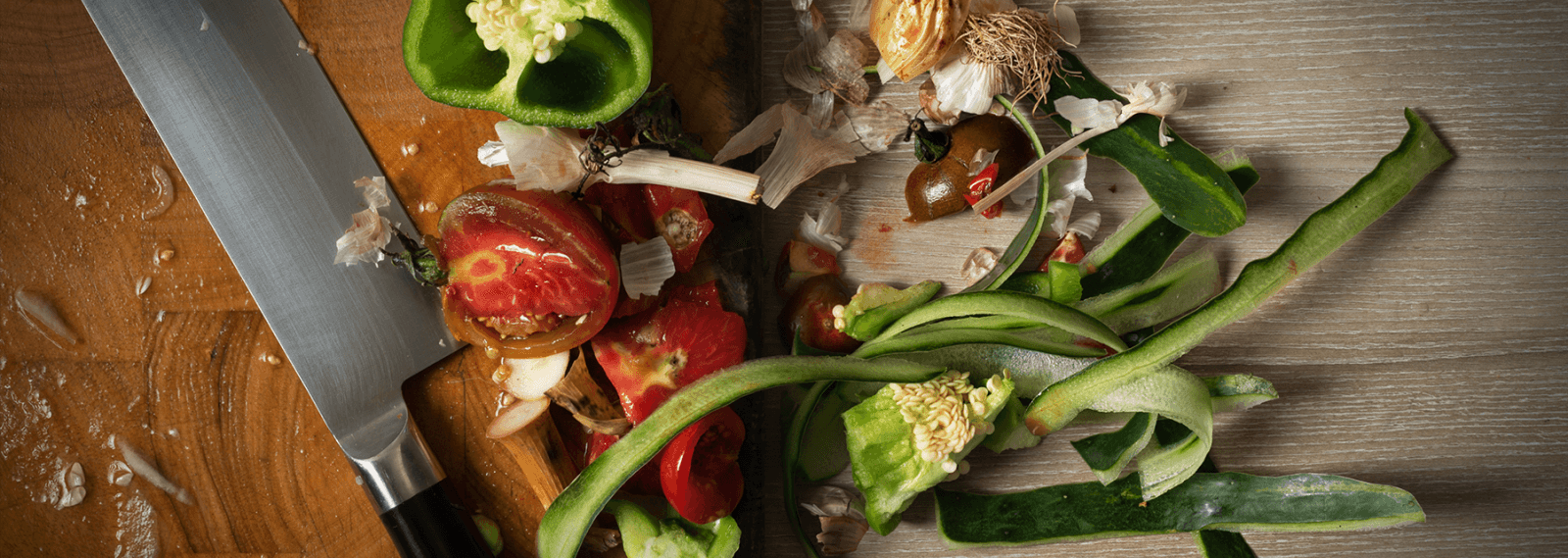
Composting is a powerful way to reduce waste, lower landfill emissions, and enrich your garden soil. Across Canada and the United States, both backyard composting and municipal organics programs (green bins) are growing as communities work toward zero waste and circular economy goals.
However, not all materials are safe for composting at home. Some items attract pests, introduce harmful pathogens, or disrupt decomposition. Below are seven common items you should avoid in backyard compost systems.
1. Meat, Fish, and Bones
Animal products break down slowly and attract rodents, raccoons, and insects. They can also produce strong odors.
- Many municipal and industrial compost facilities accept these materials because they operate at higher temperatures under controlled conditions.
2. Dairy Products
Milk, cheese, yogurt, and other dairy products can create odors and attract pests in backyard compost bins. Industrial systems can often process dairy safely.
3. Pet and Human Waste
Pet feces, kitty litter, and human waste may contain harmful pathogens and parasites. These should never go into backyard compost used for gardens or landscaping unless processed in specialized high-temperature systems.
4. Treated, Painted, or Engineered Wood
Pressure-treated wood, painted wood, plywood, MDF, and laminated wood products may contain chemicals that contaminate compost and soil. Only untreated wood and sawdust are safe for backyard compost.
5. Invasive Weeds or Diseased Plants
Weeds that have gone to seed and diseased plant material can survive in backyard piles that don’t reach high temperatures, spreading pests or weeds when the compost is applied.
6. Non-Biodegradable Contaminants
Plastic bags, produce stickers, metal, glass, and coated paper do not break down and contaminate compost. Even small contaminants reduce quality and increase processing costs for municipalities.
7. Chemically Treated Yard Trimmings
Grass clippings, plants, or leaves recently treated with herbicides or pesticides can harm compost microbes and plants if added to the pile. Allow chemical residues to dissipate before composting.
Other Notable Items to Compost Carefully
Some materials are technically compostable but require extra attention in backyard piles:
-
Citrus and highly acidic fruits: Can slow decomposition if added in large volumes. Chop or mix with other greens and browns.
-
Bread and baked goods: May attract pests. Bury deep in the pile to minimize risk.
-
Cooked or greasy leftovers: Use sparingly and bury in the center of the pile to minimize odors and pests.
These items are safer in municipal green bin programs, where industrial composting can handle them efficiently.
Backyard Compost vs. Green Bin: What’s the Difference?
Backyard composting and municipal green bin programs operate under very different conditions:
-
Backyard compost:
-
Operates at lower, ambient temperatures
-
Ideal for fruit and vegetable scraps, eggshells, coffee grounds, leaves, and plant trimmings
-
Pest risk is higher if meat, dairy, or greasy foods are added
-
Decomposition can take weeks to months depending on pile management
-
-
Green bin / Industrial compost:
-
Uses high, controlled temperatures and mechanical turning
-
Can safely process a wider range of materials, including meat, dairy, cooked foods, grease, bread, and citrus
-
Pest issues are minimal due to industrial handling
-
Faster processing times than backyard piles
-
Because of these differences, some items avoided in backyard compost are acceptable in municipal green bin programs.
What Can You Compost?
Backyard compost thrives on a balance of “greens” (nitrogen-rich) and “browns” (carbon-rich) materials:
Greens:
-
Fruit and vegetable scraps
-
Coffee grounds and paper filters
-
Tea leaves (plastic-free tea bags)
-
Eggshells
Browns:
-
Leaves, grass clippings, plant trimmings
-
Untreated wood chips and sawdust
-
Shredded, uncoated paper and cardboard
Municipal Green Bin Programs also may accept:
-
Meat, fish, and bones
-
Dairy products
-
Bread, pasta, rice, and baked goods
-
Cooked or greasy foods
-
Citrus and other fruit scraps
-
Food-soiled paper products (pizza boxes, paper towels)
*Always check your local program guidelines, as accepted materials vary by municipality!
Why Composting Right Matters
Proper composting keeps your pile healthy, reduces odors, and prevents pests. It also ensures high-quality compost that is safe for gardens and landscaping. Following backyard best practices and leveraging municipal organics programs helps divert waste from landfills, reducing greenhouse gas emissions and supporting a circular economy.
Sources
United States Environmental Protection Agency: Composting at Home